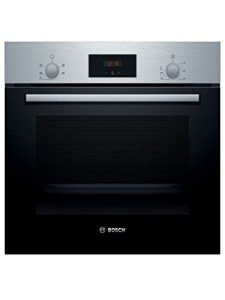
Best Single Electric Oven
Add a review FollowOverview
-
Founded Date Dicembre 10, 1961
-
Sectors Sales & Marketing
-
Posted Jobs 0
-
Viewed 134

Company Description
Guide To Buy A Single Oven: The Intermediate Guide For Buy A Single Oven
A Comprehensive Guide to Buying a Single Oven: What You Need to Know
When it pertains to kitchen devices, few items are as vital as an oven. Whether you’re a passionate baker, a weekend chef, or someone who simply wishes to heat up leftovers, the ideal oven can make all the distinction in food preparation and cooking. Amongst the different kinds of ovens readily available in the market, single ovens stand apart for their adaptability and space efficiency. This post will assist you through the vital considerations when buying a single oven, detailing essential functions, types, and answering often asked questions.
Understanding Single Ovens
Single ovens, as the name recommends, include one cooking cavity. They are developed to deal with numerous cooking jobs, including baking, roasting, barbecuing, and broiling. Ideal for compact kitchen areas or those who do not require the additional space provided by double ovens, single ovens can be built into cabinets or stand alone.
Types of Single Ovens
Single ovens come in different types, each offering unique advantages. Here are the main types to consider:
| Type | Description |
|---|---|
| Conventional | Makes use of top and bottom heating aspects for standard cooking styles. |
| Convection | Employs a fan to flow hot air, leading to even cooking temperature levels. |
| Wall Ovens | Built into the wall for space-saving style while staying easy to use. |
| Steam Ovens | Introduces steam for wet cooking, exceptional for baking and reheating. |
| Microwave Ovens | Integrates cooking and reheating performances with microwave innovation. |
Key Features to Consider
When looking for a single oven, it’s crucial to evaluate numerous functions that can improve cooking experience and performance. Below are some vital credit to consider:
-
Size and Capacity:
- Measure the readily available area in your kitchen before picking an oven. The majority of single ovens range from 24 to 30 inches in width.
- Capacity generally varies from 2.0 to 5.0 cubic feet, depending upon how much you generally cook or bake.
-
Energy Efficiency:
- Look for models with an Energy Star score to lessen energy consumption and lower energy expenses.
-
Oven Types:
- Consider whether you choose a standard or convection design based upon your cooking choices.
-
Control board:
- Choose user-friendly controls, whether they are digital or analog.
- Touch controls frequently come with sophisticated functions like programmable settings and timers.
-
Self-Cleaning Functionality:
- Self-cleaning options conserve effort and time. Look for ovens with steam or pyrolytic cleaning alternatives.
-
Additional Features:
- Features such as delay start timers, multiple rack positions, and built-in probes can considerably boost the cooking experience.
Popular Brands
When buying an oven, it is wise to consider brand names understood for their dependability and quality. A few of the popular brand names in the market include:
- Bosch
- Samsung
- LG
- Whirlpool
- Electrolux
- Frigidaire
Actions to Buy a Single Oven
Follow this structured process to simplify your purchasing choice:
-
Determine Your Cooking Needs:
- Assess your cooking routines and how regularly you use the oven.
-
Set a Budget:
- Single ovens can vary considerably in price from a couple of hundred to several thousand dollars. Set a reasonable budget to simplify your options.
-
Research study Online:
- Read reviews on numerous models to identify dependability, efficiency, and functions.
-
Go to Showrooms:
- Visit device showrooms to see the ovens up close, examine their quality, and understand their functions.
-
Ask for Expert Advice:
- Consult with sales representatives or cooking experts for recommendations based on your needs.
-
Compare Warranty Options:
- Look into the service warranty policies. A comprehensive guarantee can provide peace of mind.
Frequently asked questions
1. What is the distinction in between a conventional oven and a convection oven?
Conventional ovens utilize top and bottom heat sources for cooking, while convection ovens utilize a fan to distribute hot air, leading to quicker and more even cooking.
2. Can I install a single oven myself?
While some property owners choose to install their ovens, it’s generally suggested to work with an expert to guarantee safety and compliance with regional building codes.
3. How often should I clean my oven?
Frequency depends on use. buy a Single Oven self-cleaning oven can significantly minimize the frequency, while manual cleansing needs to preferably be carried out seasonally if utilized regularly.
4. What extra features should I look for?
Try to find features such as a timer, delay start, and additional cooking modes like air fry or steam for improved performance.
5. Are gas ovens much better than electric ovens?
The option in between gas and electric depends mostly on individual preference. Gas supplies instant heat and is frequently preferred by professional chefs, while electric ovens generally provide more constant cooking temperature levels.
Investing in a single oven can elevate your cooking experience, paving the way for more satisfying meal preparation and imagination in the kitchen. As you go shopping for the ideal oven, consider your cooking routines, the oven’s features, and your readily available cooking space. Take your time to check out different options, and by following the guidance provided in this article, you can make an educated choice that fulfills both your culinary requirements and budget requirements.
In summary, the ideal single oven will not only improve your cooking efficiency however also make your kitchen a more enjoyable space for culinary exploration. Delighted cooking!