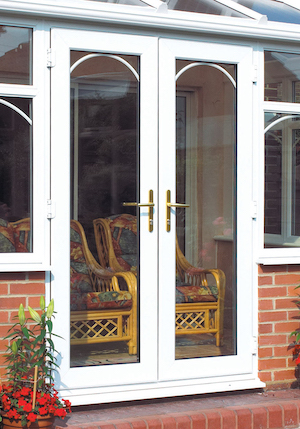
French Door Adjustment
Add a review FollowOverview
-
Founded Date Giugno 22, 1910
-
Sectors Education Training
-
Posted Jobs 0
-
Viewed 68

Company Description
You’ll Never Be Able To Figure Out This French Door Refurbishing’s Benefits
French Door Refurbishing: Breathing New Life into Your Home
French doors are a classy addition to any home, using a seamless connection in between indoor and outdoor areas. With time, however, even the most stunning French doors can begin to show indications of wear and tear. Whether it’s peeling paint, distorted frames, or out-of-date hardware, refurbishing French doors can enhance their appearance and improve functionality. This detailed guide outlines the detailed procedure of refurbishing French doors, the products required, and answers to common questions.
Why Refurbish French Doors?
Refurbishing French doors serves multiple functions:
- Aesthetics: Refreshing the paint or surface can boost the visual appeal of a home.
- Functionality: Repairing issues such as sticky or misaligned doors improves use and performance.
- Worth Addition: Well-maintained French door Refurbishing doors can increase residential or commercial property worth and attract possible purchasers.
- Energy Efficiency: Sealing spaces and updating hardware can boost insulation and lower energy costs.
Step-by-Step Guide to Refurbishing French Doors
Action 1: Assess the Condition
Before beginning the refurbishment, perform an extensive assessment of the doors:
- Inspect the Wood: Look for indications of rot, warping, or insect damage.
- Examine the Hinges and Hardware: Ensure all components are functioning properly.
- Evaluate the Glass: Check for fractures or fogging in the panes.
Step 2: Gather Materials
Refurbishing French doors needs a number of products, consisting of:
| Material | Purpose |
|---|---|
| Sandpaper (various grits) | To smooth out the surface |
| Wood filler | To repair cracks and holes |
| Paint or stain | To revitalize the color of the doors |
| Paintbrushes and rollers | For application of paint or stain |
| New hardware (hinges, knobs) | To change old or damaged parts |
| Sealing gasket | To improve insulation around the frames |
Action 3: Remove the Doors
To efficiently recondition French doors, it is often best to remove them from their hinges. This can generally be done by:
- Using a screwdriver to eliminate the screws from the hinges.
- Thoroughly raising the door far from the frame, ensuring it’s supported to prevent damage.
Step 4: Prepare the Surface
When the doors are gotten rid of, prepare the surface by:
- Sanding down the existing finish to remove peeling paint or irregular surfaces.
- Filling any holes or fractures with wood filler and allowing it to dry completely.
- Smooth the filled areas with sandpaper for a seamless finish.
Step 5: Repaint or Re-stain
Choose either paint or stain, depending on the preferred appearance. Follow these guidelines:
-
For Paint:
- Apply a primer first, particularly if there’s bare wood.
- Use a premium exterior paint ideal for the climate.
- Apply at least 2 coats, allowing complete drying time between applications.
-
For Stain:
- Choose a wood stain that matches the home’s aesthetic.
- Apply with a tidy brush or cloth, rubbing out excess to accomplish the preferred color.
- Seal the stain with a protective finish to improve longevity.
Step 6: Update Hardware
While the doors are off, it’s a perfect time to replace old hardware. Select brand-new hinges and knobs that match the style of the home, making sure compatibility with the existing hole placements.
Action 7: Rehang the Doors
After completing the refurbishing process, it’s time to rehang the doors:
- Align the doors back onto the hinges.
- Secure them with screws, guaranteeing they open and close smoothly.
Step 8: Seal the Gaps
Finally, to improve energy efficiency, seal any gaps around the door frame utilizing weather condition removing or a sealing gasket.
FAQs on French Door Refurbishing
Q: How much does it cost to refurbish French doors?A: The cost can differ
widely based on the extent of repairs needed, products picked, and whether you work with a professional. DIY refurbishing usually varies from ₤ 100 to ₤ 400. Q: Can I recondition French doors myself?A: Yes, refurbishing French doors can be a DIY task if you have the
right tools and a little experience with home repair. Q: How long does the refurbishing process take?A: This depends on the level of the work
; normally, refurbishing French doors can take anywhere from a weekend to a couple of weeks, especially if you are enabling time for paints and fillers to dry. Q: Do I require special permits for refurbishing doors?A: Typically, refurbishing does not require licenses, however if you’re making structural changes
, it’s best to check regional policies. Refurbishing French doors is a pleasing process that not only improves the aesthetics and functionality of your home but also improves energy performance and property value
. By following the actions laid out in this guide, homeowners can renew their French doors, providing them a classic elegance that compliments their home. Whether you tackle this project alone or enlist the assistance of professionals, a little effort goes a long way in keeping these classic doors looking lovely for many years to come.