


Benefits Of Rollator Walker
Add a review FollowOverview
-
Founded Date Dicembre 29, 1937
-
Sectors Education Training
-
Posted Jobs 0
-
Viewed 156

Company Description
Walker With Wheels Tools To Make Your Daily Life Walker With Wheels Trick Every Individual Should Be Able To
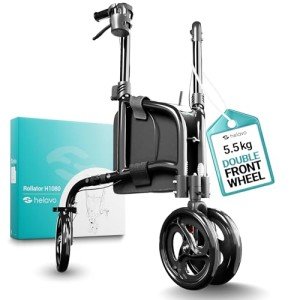
Walker With Wheels: Revolutionizing Mobility for Enhanced Independence
Introduction
For people experiencing mobility challenges, walkers have actually long been a relied on aid, supplying stability and assistance. The introduction of walkers with wheels has changed the landscape of assisted mobility, using users greater self-reliance and flexibility. This article checks out the benefits, types, features, and factors to consider surrounding walkers with wheels, gearing up readers with vital understanding to make educated choices.
The Advantages of Walkers with Wheels
Increased Mobility
Walkers with wheels allow for smoother motion. The wheels offer enhanced maneuverability, enabling users to browse various surfaces, both indoors and outdoors, with ease. This feature decreases the effort included in walking, making it an ideal option for people recuperating from surgical treatment, elderly clients, or those with persistent conditions.
Enhanced Stability
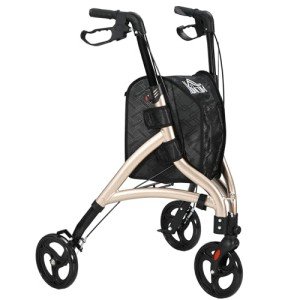
Many walkers with wheels come equipped with integrated brakes that provide users with a sense of security. When stationary, users can engage the brakes, avoiding the walker from rolling away inadvertently. This function makes walkers with wheels much safer, particularly when navigating uneven surfaces or stepping aside to enable others to pass.
Practical Design
Developments in design have caused walkers with wheels that cater to a broader series of needs. Some designs come with additional functions, such as seats for resting, storage compartments for personal items, and ergonomic grips that minimize pressure on the hands.
Kinds of Walkers with Wheels
When picking a walker with wheels, consideration of private requirements is essential. The following are typical types of walkers with wheels:
| Type | Description | Perfect For |
|---|---|---|
| Two-Wheeled Walker | Features wheels just in the front, offering assistance from the back. | Those who need more assistance for balance. |
| Four-Wheeled Walker | Comes geared up with wheels on all four legs, permitting for higher maneuverability. | Individuals seeking more self-reliance and agility. |
| Rollator Walker | A type of four-wheeled walker with an integrated seat and storage. | Users requiring to take breaks and bring personal items. |
| Heavy-Duty Walker | Created for people with greater weight capabilities. | Individuals requiring extra resilience and assistance. |
Key Features to Consider
When exploring alternatives, potential users ought to think about the following features:
-
Weight Capacity: Each walker has a specified weight limit. Guarantee that the picked design supports the user’s weight comfortably.
-
Adjustable Height: Select a walker with an adjustable height feature to guarantee optimum posture and comfort for the user.
-
Brakes: Look for walkers with easy-to-use brakes that lock when the user stops.
-
Storage Options: Walkers with compartments or baskets offer useful options for carrying personal products.
-
Foldability: Many walkers fold for simple transportation and storage, a valuable function for users who typically travel or go to places.
-
Ergonomic Grips: Comfortable grips decrease hand fatigue throughout use, boosting the walking experience.
Regularly Asked Questions (FAQs)
1. Are walkers with wheels appropriate for outdoor use?
Yes, a lot of walkers with wheels are developed to manage numerous terrains. However, it is vital to select a design with larger wheels and appropriate tread for outdoor use to make sure stability and safety.
2. How do I choose which kind of walker with wheels is best for me?
Consider your mobility needs, living environment, and personal preferences. Consulting with a health care expert can offer personalized suggestions based upon your scenario.
3. Can I change the height of my walker?
The majority of modern walkers with wheels come with adjustable height settings. Always follow the manufacturer’s instructions to guarantee a secure modification for your convenience.
4. How do I keep my walker with wheels?
Frequently inspect the brakes, wheels, and total structure for wear and tear. Clean the walker with moderate soap and water to preserve health, especially if utilized outdoors.
5. Exist walkers with wheels designed specifically for users with impairments?
Yes, specific designs deal with distinct requirements, such as larger frames, strengthened manages, or additional helpful features like grips or back-rests. Highlighting private requirements will help in choosing the right item.
Walkers with wheels represent a considerable advancement in mobility help, making it possible for users to preserve self-reliance and boost their lifestyle. With numerous alternatives available, understanding the various types, functions, and benefits of these walkers is crucial for individuals looking for one that satisfies their needs. By buying the best walker, users can browse their environments with confidence, ensuring a more active and satisfying way of life.
Last Thoughts
As we move towards a more inclusive world, the mobility aids offered, like walkers with wheels, continue to adjust and develop. It is important for users, caregivers, and healthcare professionals to remain notified about the current designs and features to guarantee that mobility assistance is efficient, safe, and user-friendly.
In summary, walkers with wheels not only supply assistance; they empower individuals to reclaim their self-reliance, offering them the flexibility to engage with the world around them.
