


French Door Services
Add a review FollowOverview
-
Founded Date Giugno 11, 1986
-
Sectors Automotive Jobs
-
Posted Jobs 0
-
Viewed 126

Company Description
You’ll Never Guess This French Door Repair Parts’s Tricks
Comprehensive Guide to French Door Repair Parts
French doors, often well known for their beauty and functionality, offer a stunning entrance that effortlessly links indoor and outside areas. Nevertheless, like any mechanical system in a home, they might need repairs from time to time. Understanding the important parts of French doors and knowing when and how to replace them can conserve homeowners both money and time. This post will supply a detailed summary of French door repair parts, their functions, and the common issues that may emerge.
Common French Door Parts and Their Functions
French doors consist of different components, each playing a crucial function in their operation. Below is a table detailing the main parts, their functions, and possible issues:
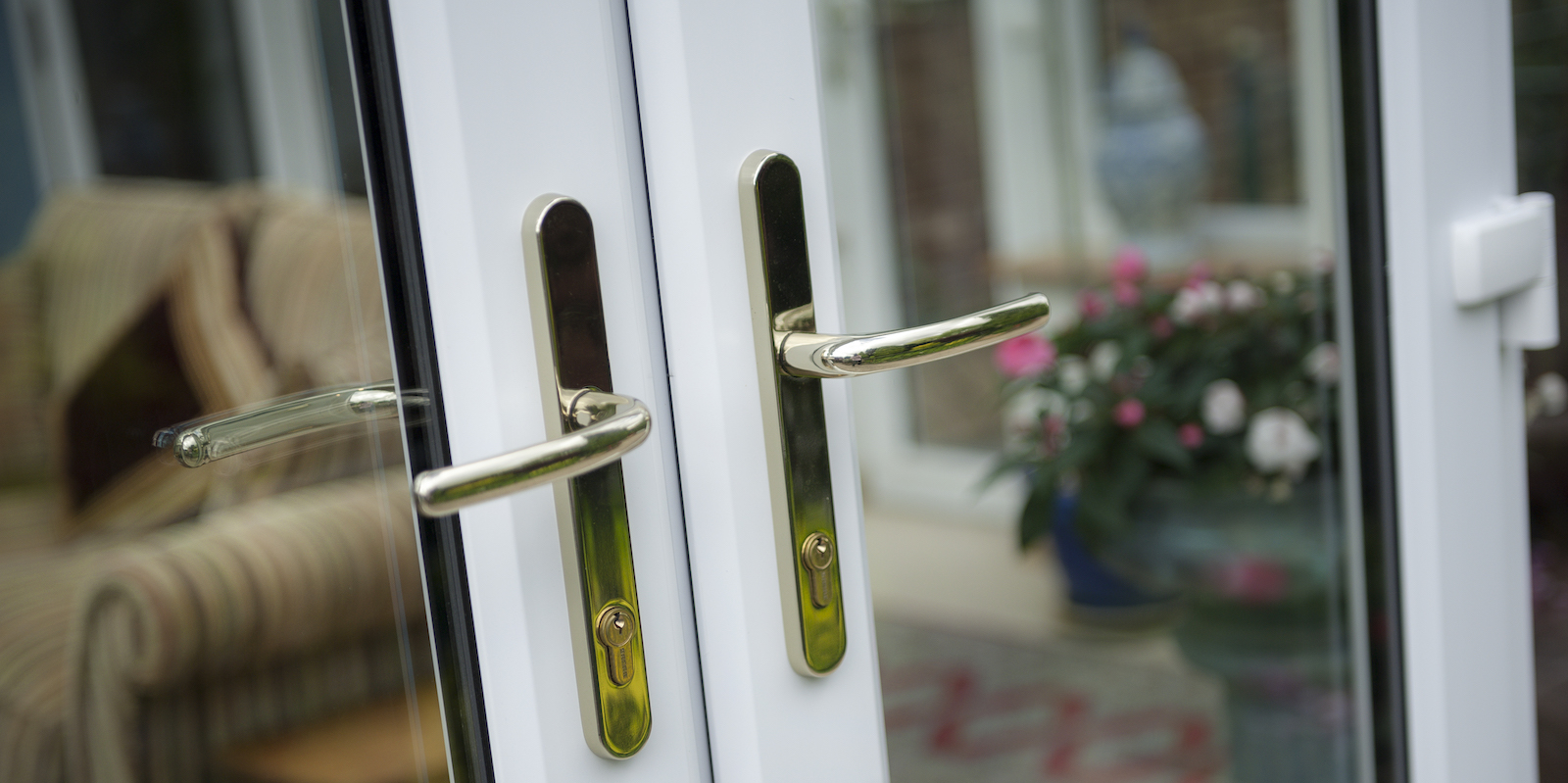
| Part | Function | Common Issues |
|---|---|---|
| Door Frame | Supports the structure and supplies stability when closed. | Warping, rotting, or damage due to water. |
| Panels | The visible part of the door that swings open. Normally, these are made from glass and wood. | Breaking, splintering, or breaking of the glass. |
| Hinges | Enables the door to swing smoothly. | Rust, rust, or misalignment. |
| Locks | Provides security by keeping the door closed. | Sticking or breaking of the mechanism. |
| Weatherstripping | Seals gaps in between the door and frame to prevent drafts. | Wear and tear or missing areas. |
| Knobs/Handles | Supply access and performance to open or close the door. | Loose, damaged, or non-functioning elements. |
| Threshold | The bottom part of the doorframe that creates a seal and support. | Damage or warping, often causing spaces. |
| Glass Inserts | Include openness and design while enabling natural light. | Shattering or scratches. |
Common Repair Issues and Solutions
-
Warped or Damaged Door Frame
- Signs: Difficulty in closing the doors, visible gaps, or exterior damage.
- Solutions: Inspect the frame for moisture. If it’s warped, brace it back into shape or replace the damaged areas.
-
Broken Glass Panes
- Signs: Cracks or shattered glass.
- Solutions: Replace the glass pane by thoroughly getting rid of the old one and installing a new unit. For safety, think about employing a professional glazier.
-
Malfunctioning Hinges
- Signs: Squeaking noises, doors not swinging efficiently, or drooping.
- Solutions: Lubricate hinges or replace them if they are worn away.
-
Lock Failures
- Symptoms: Key will not turn, lock is stuck, or latch doesn’t engage.
- Solutions: Lubrication may deal with sticking. For damaged locks, change the whole lock system.
-
Deteriorated Weatherstripping
- Symptoms: Noticeable drafts or increased energy expenses.
- Solutions: Remove old weatherstripping and change it with brand-new adhesive-backed strips.
-
Loose Hardware
- Signs: Handle wobbles or runs loosely.
- Solutions: Tighten screws or change used out handles.
-
Threshold Damage
- Signs: Gaps at the bottom of doors or difficulties sealing out the weather condition.
- Solutions: Depending on the damage level, it might need repair or complete replacement.
Frequently Asked Questions About French Door Repair Parts
What products are commonly used for French doors?
French doors are mostly made from wood, vinyl, fiberglass, or metal. The option of material impacts toughness, maintenance, and aesthetic appeals.
How typically should French doors be maintained?
Regular maintenance is advised at least when a year, that includes checking hinges, locks, weatherstripping, and cleaning up the glass.

Can I repair French door glass myself?
While minor repairs may be possible, replacing glass panes ought to ideally be done by a professional to ensure security and precision.
When should I think about replacing my French doors?
If the doors display substantial wear, such as severe warping, multiple damaged parts, or inefficient insulation, it may be more cost-effective to replace them totally.
How can I prevent future issues with my French doors?
Regular maintenance such as cleaning, lubricating moving parts, and guaranteeing proper drainage will extend the life-span of your French doors.
French doors are a sensational addition to any home, but they are not immune to use and tear. Understanding the different parts and their functions can empower homeowners to attend to minor repairs proactively and efficiently. Routine maintenance not just prolongs the door’s life however likewise enhances the general visual and performance of the home. By recognizing issues early and knowing the appropriate options, property owners can keep their French doors looking and functioning at their finest for several years to come.
Additional Maintenance Tips
- Tidy Regularly: Keep glass tidy and frame complimentary of dirt or debris.
- Check for Pests: Regularly examine for unwanted insect invasions which might damage wooden frames.
- Seal Properly: Ensure that all gaps are sealed to enhance energy efficiency.
By grasping the intricacies of French door repair parts, homeowners can make informed choices about maintenance, leading to a more functional, sophisticated entryway to their homes.
