


Führerschein Kaufen Deutschland
Add a review FollowOverview
-
Founded Date Dicembre 24, 1903
-
Sectors Construction Facilities
-
Posted Jobs 0
-
Viewed 81

Company Description
The Most Underrated Companies To Watch In The Buy A Driving License In Germany Industry
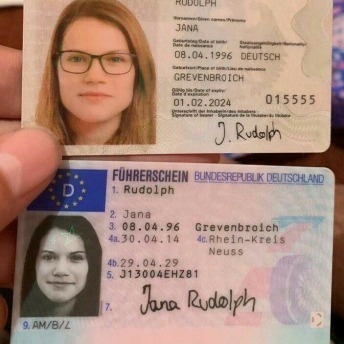
Buy a Driving License in Germany: Understanding the Legal Process and Avoiding Illegal Shortcuts
The concern “Can I buy a driving license in Germany?” often emerges, particularly among those brand-new to the country or intimidated by the prospect of strenuous screening. While the phrasing might recommend an easy deal, it’s essential to immediately clarify that purchasing a driving license in Germany in the actual sense is prohibited and carries severe consequences. There is no legitimate way to just buy a license without undergoing the necessary training and passing the needed examinations.
This article will delve into the complexities of acquiring a driving license in Germany lawfully. It will describe the appropriate procedures, the expenses included, and why trying to “buy” a license through illicit methods is not just versus the law but also exceptionally harmful and eventually futile. Comprehending the genuine path is important for ensuring roadway safety and acquiring a valid driving license acknowledged within Germany and beyond.
The Reality: Obtaining a Driving License, Not Buying It
Rather of “buying” a license, the precise term is obtaining a driving license. Germany, renowned for its high driving requirements and stringent regulations, has a structured process created to ensure all drivers are qualified and educated. This procedure includes extensive training, both theoretical and useful, followed by rigorous screening to examine a prospect’s readiness to operate a vehicle safely on public roads.
The German driving license system is built on the principle of competence-based licensing. It’s not about just paying a fee; it’s about showing that you possess the essential skills, knowledge, and responsible attitude to be a safe driver. This technique significantly contributes to Germany’s relatively low mishap rates compared to some other nations.
Why “Buying” a License is a Dangerous Misconception
The concept of purchasing a driving license often originates from a misunderstanding or a desire to prevent the effort and time required for appropriate training. However, attempting to obtain a license through illegal channels, such as purchasing counterfeit documents or bribing authorities, carries substantial risks and is highly discouraged for several vital factors:
-
Legality and Criminal Penalties: Attempting to obtain a driving license fraudulently is a criminal offense in Germany. Individuals captured engaging in such activities can face serious penalties, including large fines, jail time, and a rap sheet. This can have lasting repercussions affecting future work, travel, and residency licenses.
-
Invalid License and Insurance Issues: A fraudulently gotten driving license is not acknowledged as legitimate. If caught driving with a fake license, you will be considered driving without a license. This leads to more legal consequences and can revoke your car insurance coverage. In case of a mishap, you will be held completely accountable for damages, as your insurance coverage will likely be space.
-
Risk to Public Safety: Bypassing proper training and screening endangers not only your own security but likewise the safety of all other roadway users. Driving needs a complex set of skills, understanding of traffic laws, and responsible decision-making. People who have actually not undergone proper training are ill-equipped to handle the obstacles of driving, increasing the danger of accidents and possibly triggering serious harm or fatalities.
-
Ethical Concerns: Engaging in illegal activities undermines the stability of the licensing system and shows a blatant disregard for the guideline of law. It contributes to corruption and deteriorates rely on institutions created to ensure public security.
The Legitimate Path: Steps to Obtaining a German Driving License
The appropriate and only safe method to get a driving license in Germany is to follow the recognized legal procedure. This process, while demanding, is designed to equip you with the needed skills and understanding to be a responsible and safe driver. Here are the essential actions included:
1. Enrollment in a Driving School (Fahrschule):
- You must register with a formally acknowledged driving school. Choosing a trusted school is important as they will guide you through the whole procedure.
- Driving schools offer courses in German, and significantly, in English, particularly in bigger cities. Guarantee the school provides instruction in a language you are comfy with.
- Upon enrollment, you’ll receive research study materials and be scheduled for necessary theory lessons.
2. Theory Lessons and Examination:
- Theory lessons cover German traffic laws, roadway signs, safe driving practices, vehicle innovation, and environmental factors to consider. The variety of necessary lessons depends upon the license category you are requesting. For a standard car license (Class B), it usually includes around 12 double lessons of standard theory and extra specific lessons.
- After completing the mandatory lessons, you need to pass a computer-based theory test conducted by a main testing company (TÜV or DEKRA).
- The theory test includes multiple-choice questions and video-based concerns. You must attain a minimum passing score to proceed to useful training.
3. Practical Driving Lessons:
- Once you pass the theory test, you can begin practical driving lessons with your driving trainer.
- The number of practical lessons needed varies significantly depending on individual discovering speed, prior driving experience (if any), and the instructor’s assessment of your development.
- Mandatory unique driving lessons are consisted of, covering freeway driving, night driving, and driving beyond urban locations.
- Practical lessons are crucial for developing driving abilities, comprehending traffic scenarios, and learning to use the theory understanding in real-world circumstances.
4. Practical Driving Examination:
- After your driving instructor considers you ready, you will be scheduled for the practical driving test.
- The dry run is performed by an examiner from TÜV or DEKRA, accompanied by your driving instructor.
- The test normally lasts around 45-60 minutes and evaluates your driving capability in different traffic situations, consisting of city driving, rural roads, and possibly motorway driving.
- The examiner will examine your total driving abilities, adherence to traffic laws, smooth vehicle control, observation skills, and safe driving habits.
5. License Issuance:
- If you effectively pass both the theory and practical examinations, you will get your German driving license.
- The license is normally provided soon after passing the practical test, often on the exact same day or within a few days.
- You will receive a probationary driving license (Probezeit) for the first two years. During this duration, stricter guidelines apply, particularly regarding traffic offenses.
Expenses Associated with Obtaining a Driving License
While you can not “buy” a license outright, there are considerable costs related to the legitimate procedure. Comprehending these costs can help you budget plan accordingly. These expenses can vary depending upon the driving school, your learning speed, and test charges, however normally include:
- Driving School Enrollment Fee: This is a one-time registration fee charged by the driving school.
- Theory Lesson Fees: Fees are charged per theory lesson.
- Knowing Materials: Costs for books, online knowing platforms, and practice tests.
- Practical Lesson Fees: Fees are charged per practical driving lesson. This is typically the most substantial expense element, as the number of lessons required differs.
- Presentation for Theory Test Fee: A fee to present yourself for the theory test at TÜV/ DEKRA.
- Presentation for Practical Test Fee: A charge to present yourself for the dry run at TÜV/ DEKRA.
- License Issuance Fee: A charge charged by the authorities for providing the driving license.
- Eye Test and First Aid Course: These are mandatory prerequisites and involve separate costs.
List of Costs (Approximate Range):
- Driving School Enrollment: EUR50 – EUR200
- Theory Lessons (Basic Course): EUR200 – EUR400
- Learning Materials: EUR50 – EUR100
- Practical Lessons (per lesson): EUR40 – EUR70 (Number of lessons varies considerably)
- Theory Test Fee: EUR25 – EUR30
- Practical Test Fee: EUR120 – EUR150
- License Issuance Fee: EUR40 – EUR50
- Eye Test: EUR20 – EUR30
- First Aid Course: EUR30 – EUR50
Crucial Considerations:
- Time Commitment: Obtaining a German driving license needs a significant time dedication, normally varying from a couple of weeks to numerous months, depending upon specific knowing speed and lesson accessibility.
- Language Proficiency: While some driving schools provide English instruction, a standard understanding of German can be helpful, especially for navigating theoretical materials and traffic indications in everyday driving.
- Perseverance and Perseverance: The procedure can be difficult, and it needs perseverance and determination. Do not be prevented by initial troubles. Consistent effort and a favorable mindset are key to success.
In Conclusion:
While the concept of “buying” a driving license might appear appealing to those looking for a fast and easy solution, it is crucial to understand that such efforts are prohibited, harmful, and eventually counterproductive. The legal procedure for getting a German driving license is created to make sure road safety and produce competent drivers. By registering in a trustworthy driving school, diligently studying, practicing effectively, and sticking to the recognized procedures, you can effectively obtain a valid German driving license and enjoy the liberty and responsibility of driving lawfully and safely. Remember, your safety and the safety of others on the roadway are critical, and appropriate training is the only genuine course to achieving this.
Regularly Asked Questions (FAQs)
Q: Is it possible to get a German driving license without going to driving school?A: No, registration in an acknowledged driving school is necessary in Germany. Driving schools offer important theoretical and FüHrerscheinkauf useful training and guide you through the entire licensing process.
Q: Can I utilize my foreign driving license in Germany?A: Depending on your native land, you might have the ability to utilize your foreign driving license in Germany for a limited period (usually 6 months). After this period, you will usually need to acquire a German driving license. For licenses from EU/EEA nations, acknowledgment is normally uncomplicated. For licenses from non-EU/EEA countries, you might need to go through a conversion procedure, which may involve theory and/or dry runs.
Q: How long does it require to get a German driving license?A: The period varies, but it generally takes in between 2 to 6 months. Factors influencing the timeframe include your knowing speed, accessibility of driving lessons, and waiting times for tests.
Q: What occurs if I stop working the theory or dry run?A: If you fail either test, you are permitted to retake it. There is generally a waiting duration before you can retake the test, and you may need extra lessons before attempting the dry run again. There is no limitation to the variety of times you can retake the tests, but each attempt includes extra fees.
Q: Can I get a driving license in Germany if I do not speak German?A: While many driving schools mainly operate in German, some schools in bigger cities offer courses and instruction in English. It’s important to find a driving school that can provide instruction in a language you comprehend. The theory test is readily available in multiple languages, consisting of English.
Q: What is the probationary period (Probezeit) for new drivers in Germany?A: New drivers in Germany are subject to a two-year probationary period (Probezeit). Throughout this duration, stricter guidelines use, and traffic infractions carry much heavier charges. Severe offenses during the Probezeit can cause compulsory involvement in refresher courses or perhaps revocation of the driving license.
Q: What is the minimum age to get a driving license in Germany?A: The minimum age for a basic car driving license (Class B) in Germany is 18 years of ages. Nevertheless, “accompanied driving” (Begleitetes Fahren mit 17) is possible from the age of 17, enabling young drivers to drive with a designated adult manager.
Q: Is it more pricey to get a driving license in a huge city or a rural area?A: Driving school fees and lesson costs can in some cases be slightly greater in bigger cities due to greater operating expense. Nevertheless, the distinction is usually not significant. Schedule of English-speaking driving schools might be much better in larger cities.
